
Radon Testing Before Finishing Your Basement in St. Louis, MO
By Jake Lusby · Air Sense Environmental
Performing radon testing before finishing your basement is a crucial step for homeowners in St. Louis, MO, and St. Charles County. Many homeowners overlook this vital assessment until after expensive renovations are complete, risking costly and disruptive rework if elevated radon levels are discovered. Radon, a naturally occurring radioactive gas, poses a significant health risk, with the EPA recommending mitigation for levels at or above 4.0 pCi/L. For families across the St. Louis metro area, proactive testing helps reduce exposure and protects your substantial investment in a new living space. This guide details why and when to conduct radon testing and mitigation, ensuring your basement project proceeds safely and efficiently.
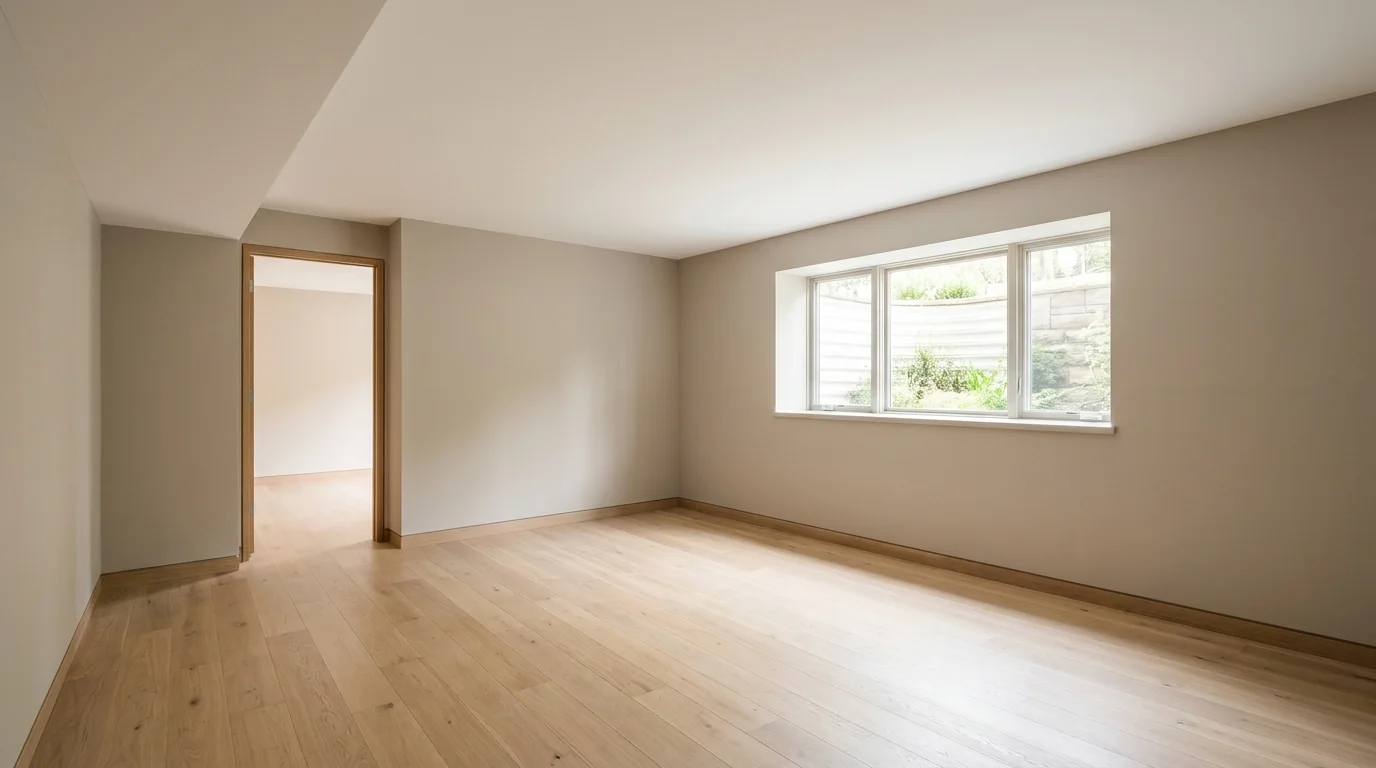
Should I test for radon before finishing my basement?
Yes, testing for radon is essential before you begin finishing your basement in St. Charles, MO. This proactive step saves significant time, money, and disruption later. Addressing elevated radon levels before installing walls, flooring, or ceilings simplifies and enhances the effectiveness of radon mitigation system installation. The EPA specifically advises testing before major structural renovations, like converting an unfinished basement into living space, to efficiently integrate any necessary solutions.
Why Testing Before Finishing is Essential
- Easier System Installation: Installing a radon reduction system is less complex when your basement is unfinished. Technicians can route pipes and seal entry points without damaging new drywall, flooring, or ceilings.
- Cost Savings: Integrating mitigation during the renovation phase avoids the significant expense of tearing out newly installed finishes to access the foundation or sub-slab areas later.
- Optimal System Effectiveness: Early testing allows for a custom-designed system, installed for maximum efficiency, helping to reduce exposure from the start. The EPA recommends fixing homes with radon levels of 4.0 pCi/L or higher.
- Health and Safety: A finished basement becomes a regularly occupied living area. Addressing elevated radon levels from day one provides important long-term exposure reduction for your family in St. Charles County, Missouri. Even levels below 4.0 pCi/L still pose some risk, and professional mitigation can often reduce them further.
When is the best time to test for radon during a basement renovation?
The ideal time to conduct a radon test is when your basement in St. Charles County is still unfinished, before any major construction begins. This allows accurate readings of existing conditions and provides a clear baseline. The U.S. Environmental Protection Agency (EPA) recommends testing before major renovations; installing a mitigation system before new finishes is generally less expensive, as detailed in the EPA’s Home Buyer’s and Seller’s Guide to Radon.
Before Framing and Walls
Testing at this stage ensures that if mitigation is needed, pipes can be routed and concealed within new wall structures without disruption. This avoids tearing out new drywall or finishes later.
Before Laying Subflooring
Radon mitigation systems often penetrate the concrete slab for suction pipes. Addressing this before subflooring and finished flooring prevents costly removal and reinstallation of new materials, saving time and money.
Before Sealing Foundation Cracks
While sealing cracks is part of radon reduction, a baseline test before extensive sealing helps determine overall radon entry dynamics. This ensures the most effective mitigation strategy.
For renovation planning, a short-term radon test provides quick results. However, the EPA advises short-term tests can be less definitive, especially near the 4.0 pCi/L action level, as noted in EPA’s A Citizen’s Guide to Radon. If time permits, a long-term test (over 90 days) provides a more accurate year-round average.
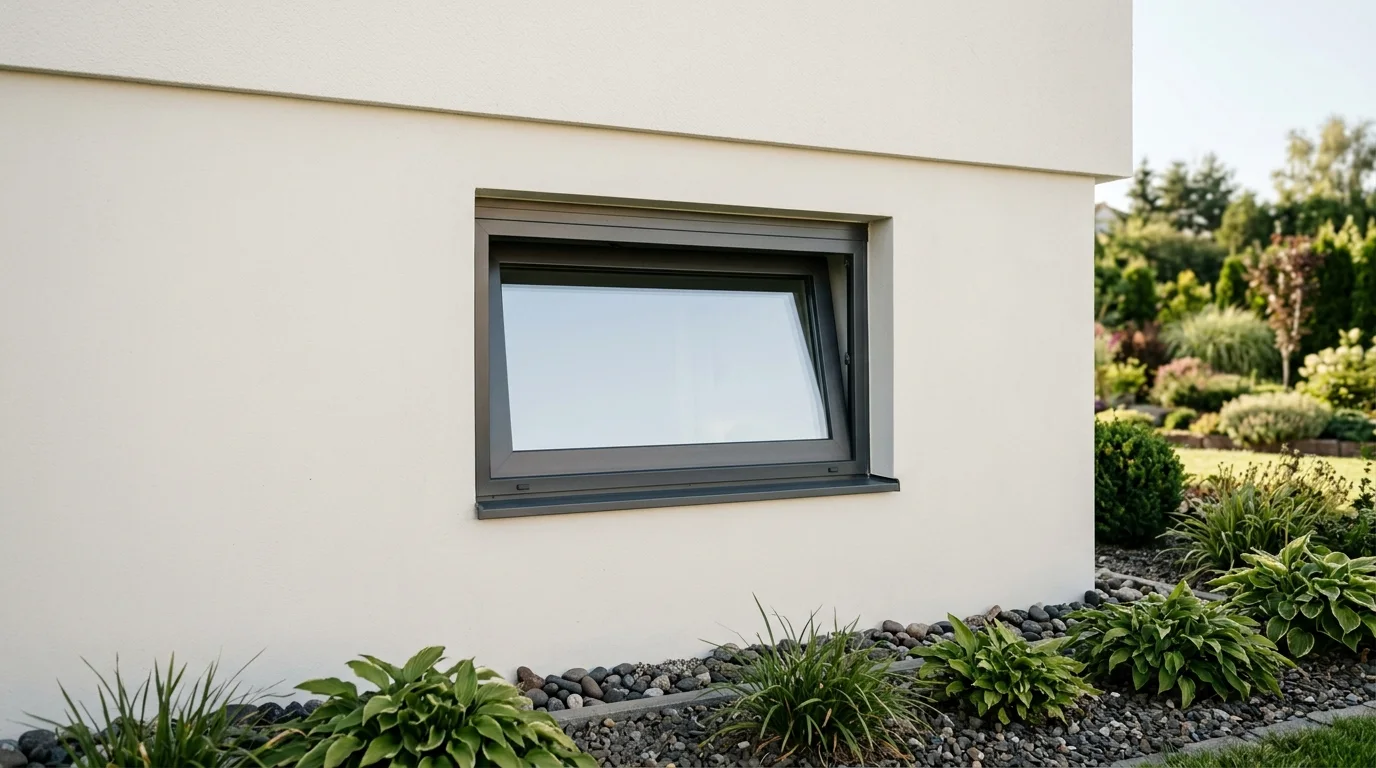
How does finishing a basement affect radon levels?
Finishing a basement in St. Charles County, MO, can significantly alter the dynamics of radon entry and concentration within your home, potentially increasing existing levels. The U.S. Environmental Protection Agency (EPA) explicitly recommends retesting after major structural renovations, such as converting an unfinished basement into living space, because these changes can impact radon levels and require confirmation of safety.
Altered Air Pressure and Stack Effect
New walls, insulation, and sealed areas can change air pressure differentials between the basement and the soil beneath. This can inadvertently enhance the stack effect, where warmer indoor air rises, drawing more soil gas, including radon, into the lower levels of your home. This increased suction can lead to higher radon concentrations.
New Pathways and Sealed Ventilation
Construction work can create new cracks or openings in the foundation, providing fresh entry points for radon. Conversely, sealing existing cracks without proper mitigation can trap radon already entering the space. New HVAC systems or altered ventilation can also disrupt natural airflow patterns, potentially concentrating radon in newly enclosed areas. Even if levels were previously below the EPA action level of 4.0 pCi/L, these changes warrant a new test to ensure your finished space maintains reduced radon exposure.
What should you do if radon levels are high before finishing your basement?
If your pre-finishing radon test reveals elevated levels, specifically 4.0 pCi/L or higher, the immediate next step is to consult with a qualified radon mitigation professional. Addressing the issue early allows for efficient, less disruptive mitigation system installation. This proactive approach helps reduce radon exposure in your finished basement from day one, preventing costly rework.
Confirm Elevated Levels
After an initial high reading, the EPA recommends a follow-up test to confirm your home’s average radon level. This involves either a long-term test (over 90 days) for a year-round average, or a second short-term test for quicker results, especially if the initial reading was significantly high. A Citizen’s Guide to Radon provides detailed guidance on testing procedures.
Consult a Mitigation Professional
Once elevated levels are confirmed, contact a radon mitigation professional, such as Air Sense Environmental. These experts can assess your home’s specific foundation and design a customized system. Installing a radon-reduction system before or during renovations is almost always less expensive than doing so afterwards, as noted in the Home Buyer’s and Seller’s Guide to Radon.
Integrate Mitigation into Renovation Plans
Working with a mitigator early allows the system to be seamlessly integrated into your basement finishing plans. Components like vent pipes can be routed through walls or utility chases, concealing them within the new finishes. This avoids tearing up new drywall, flooring, or ceilings, which would be necessary if mitigation were installed after the basement is complete.
Perform Post-Mitigation Testing
Plan the initial post-mitigation measurement separately from any later post-renovation test. The EPA recommends testing within 30 days of system installation, no sooner than 24 hours after operation begins. Do not postpone that check until the end of a months-long remodel. Test again after relevant renovation work to assess the completed space; neither measurement guarantees a future concentration.
Why is radon safety important for St. Charles County homeowners?
For homeowners in St. Charles County, Missouri, understanding and addressing radon risk is crucial because this naturally occurring radioactive gas is prevalent throughout the St. Louis metro region. Radon exposure is a significant health concern that impacts family well-being and property value. The U.S. Environmental Protection Agency (EPA) estimates radon causes thousands of lung cancer deaths annually, making it the second leading cause after smoking, according to A Citizen’s Guide to Radon.
Primary Reasons to Prioritize Radon Safety
- Health Protection: The EPA recommends mitigating homes with radon levels of 4.0 pCi/L or higher, though any radon exposure carries some risk and levels below 4.0 pCi/L can often be reduced.
- Investment Security: Proactive testing and mitigation are essential preventative measures, helping to maintain a safer living environment and protecting your investment in your St. Charles County home.
- Renovation Readiness: Responsible homeownership includes addressing unseen hazards like radon, especially before undertaking major renovations like finishing a basement.
Does a concrete basement floor block radon gas?
No, a concrete basement floor does not completely block radon gas. While concrete can reduce some entry, radon can still seep through cracks, construction joints, and other openings in the foundation. Even if your test shows levels below the EPA action level of 4.0 pCi/L, the EPA notes that radon can enter any type of home, regardless of its foundation type or how well-sealed it appears.
Common Radon Entry Points in Concrete Foundations
- Floor Cracks: Natural settling and curing can create hairline cracks where soil gas enters.
- Construction Joints: The perimeter where the concrete floor meets the foundation wall is a frequent entry point.
- Service Pipe Gaps: Openings around plumbing and utility penetrations allow radon to bypass the slab.
Professional mitigation systems are designed to address these entry points effectively, even with a concrete slab, helping to reduce exposure for your St. Charles County home.
How long does a typical radon test take?
A typical short-term radon test takes a minimum of 48 hours, though some devices may remain in your home for up to 90 days. These tests provide quick results, often sufficient for real estate transactions or immediate concerns. Always follow the specific instructions provided with your test kit for reliable readings.
Short-Term Testing
Short-term tests are ideal for quick assessments before starting a basement renovation. They typically run for 2 to 7 days under closed-house conditions to capture a snapshot of radon concentrations.
Long-Term Testing
For a more accurate year-round average, especially if initial short-term results are close to the EPA action level of 4.0 pCi/L, a long-term test is recommended. These tests remain in the home for over 90 days and account for seasonal fluctuations in radon levels.
Is radon testing required before selling a home in St. Charles County?
No, radon testing is not federally mandated before selling a home in St. Charles County, Missouri, nor is it typically a state-level requirement. However, the EPA and Surgeon General strongly recommend testing all homes for radon. Many buyers in St. Charles County will request a radon test as part of their due diligence to ensure levels are below the EPA action level of 4.0 pCi/L.
Benefits of Proactive Testing Before Listing
- Smoother Transactions: Having test results ready prevents delays during the buyer’s inspection period.
- Buyer Confidence: Proactive testing and mitigation can be a positive selling point, demonstrating your commitment to a property with reduced radon exposure.
- Cost Control: Identifying and fixing a radon issue on your own timeline is often more cost-effective than negotiating mitigation credits at closing.
Protecting your St. Charles County home from radon is an important step for family health and property value. Whether you need testing before a basement renovation or professional mitigation for existing high levels, our experts are ready to help. Schedule a consultation with Air Sense Environmental today to help reduce your radon exposure. Visit our contact page to get started.
Prepared with AI assistance using the linked primary sources. For property-specific advice, contact Air Sense Environmental.