
Basement HVAC Return Vents & Radon Levels in St. Charles County
By Jake Lusby · Air Sense Environmental
Adding HVAC return vents to a finished basement can create negative pressure, which directly impacts radon levels by drawing more gas from the soil into your home. This phenomenon, particularly relevant for homeowners in St. Louis, MO, and neighboring St. Charles County, can significantly increase indoor radon concentrations. The EPA recommends action for levels at or above 4.0 pCi/L, noting that any radon exposure carries some risk. This guide explores how basement HVAC systems influence radon entry and outlines strategies for planning, prevention, and essential post-installation testing to maintain a healthy home environment.
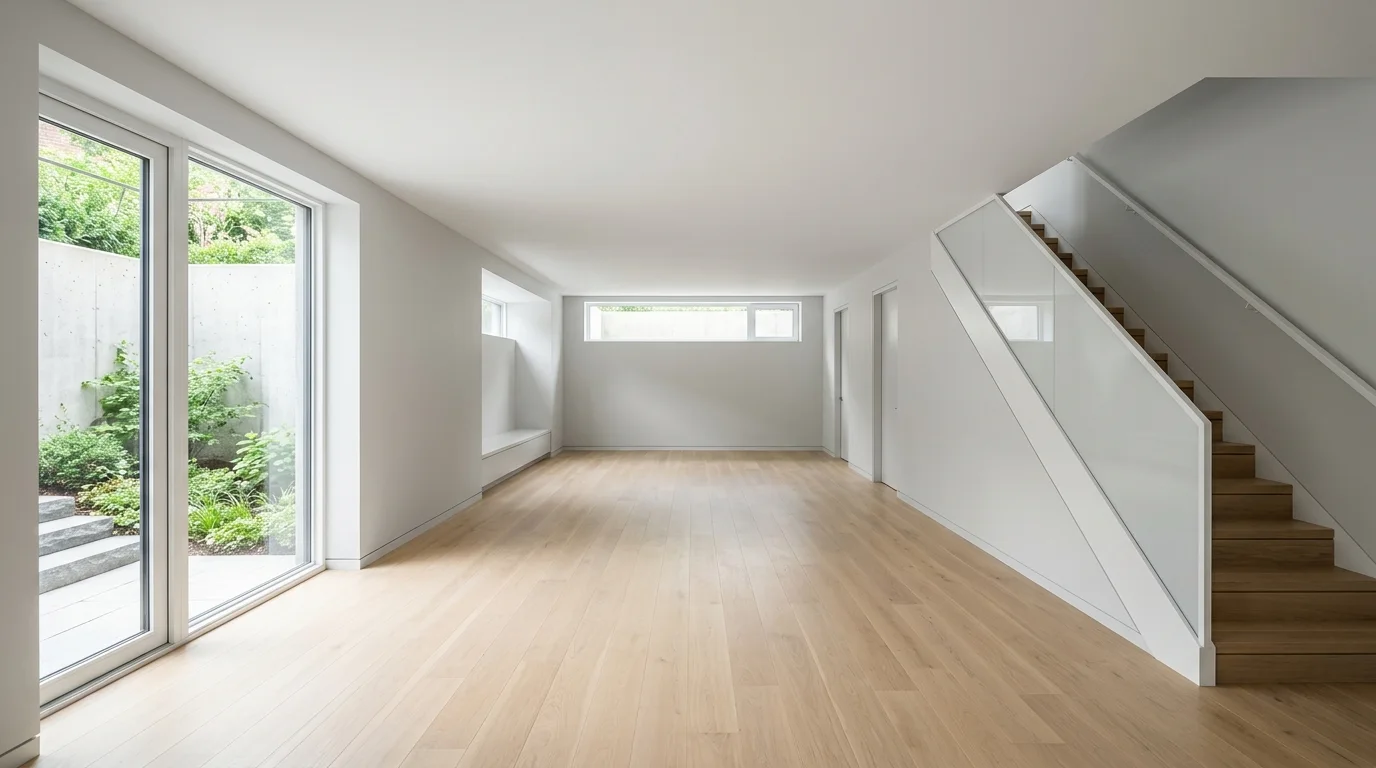
How Do Basement HVAC Return Vents Create Negative Pressure and Increase Radon Levels?
Adding HVAC return vents to a finished basement can create negative pressure. This effect acts like a vacuum, drawing more radon gas from the soil. For homeowners in St. Charles County, MO, understanding this is vital for effective radon planning. The natural “stack effect,” where warm air rises and escapes, often worsens this pressure difference, pulling soil gases, including radon, directly into your living space. The EPA recommends fixing homes with radon levels of 4.0 pCi/L or higher, but lower levels still pose a risk.
Factors Contributing to Negative Pressure in Basements
Several elements can contribute to or worsen negative pressure within a basement:
- Exhaust Fans: Kitchen and bathroom exhaust fans expel indoor air, requiring replacement air to enter from somewhere, often the basement.
- Clothes Dryers: These appliances vent air outside, creating a similar depressurization effect.
- Fireplaces and Combustion Appliances: Operating these can draw significant amounts of air, pulling it from the lowest levels of the home.
- Unbalanced HVAC Systems: If return vents draw more air than supply vents introduce, it creates a vacuum.
Common Radon Entry Points Exacerbated by Negative Pressure
Negative pressure intensifies the suction of radon through various openings in your foundation, including:
- Cracks in solid concrete floors
- Construction joints where walls meet the floor
- Gaps around service pipes and utility penetrations
- Sump pits, even if capped, can become entry points
- Hollow block-wall foundations, which allow radon to enter the block cores
How Can Homeowners Plan Basement HVAC to Prevent Increased Radon Levels?
When finishing a basement and adding HVAC, careful planning is essential to prevent increased radon levels. Homeowners should prioritize balanced airflow design and conduct radon testing both before and after installation. Integrating radon-resistant features during construction or renovation can also be highly effective in minimizing risk, often with guidance from experienced professionals like Air Sense Environmental.
Conduct Pre-Installation Radon Testing
Before installing new HVAC in a basement, conduct a radon test to establish a baseline. Major renovations, including new ductwork, can significantly alter a home’s pressure dynamics and potentially change radon entry routes. Testing beforehand identifies existing issues and helps inform mitigation strategies, ensuring a proactive approach to radon safety.
Design for Balanced Airflow
Design the HVAC system for balanced airflow, ensuring that supply and return vents are appropriately sized and located. An unbalanced system can create negative pressure, effectively drawing more soil gas, including radon, into the basement. Consulting with an HVAC professional experienced in pressure dynamics and radon is crucial for proper system design in St. Charles County.
Integrate with Existing Radon Mitigation Systems
If a radon mitigation system is already present or planned, coordinate its design with the HVAC installation. New construction or significant renovations offer an opportunity to incorporate radon-resistant features from the outset, such as a gas-permeable layer and a vent pipe, to prevent radon entry. Even with these measures, re-testing after installation remains essential to confirm effectiveness.
Why Is Post-HVAC Installation Radon Testing Essential for Radon Levels?
Re-testing for radon after a basement renovation or HVAC installation is essential. Significant changes to a home’s airflow can alter how radon gas enters the living space. Even if previous tests showed low levels, new ductwork, especially return vents, can create pressure differentials that draw more radon from the soil. The EPA recommends re-testing after major renovations. These structural changes can impact a home’s radon dynamics, potentially leading to levels above the action level of 4.0 pCi/L.
Key Reasons for Post-Installation Radon Testing
- Airflow Alterations: New HVAC systems, particularly return vents in basements, can create negative pressure. This effectively pulls more radon gas from the soil into your home.
- Foundation Disturbances: Renovations often involve disturbing the foundation or slab. This can potentially open new pathways for radon entry that were not present during initial testing.
- EPA Recommendations: The EPA advises re-testing for radon after any major structural renovation, including finishing a basement. This confirms that radon levels remain acceptable and below the recommended action level of 4.0 pCi/L.
How Can St. Charles County Homeowners Maintain a Healthy Basement Environment and Manage Radon?
Maintaining a healthy basement environment is a key part of overall home wellness for families in St. Charles County, MO. Beyond specific concerns like HVAC pressure, a proactive approach to indoor air quality ensures your home remains a safe and comfortable sanctuary. This commitment to a healthy living space extends to various factors that influence the air you breathe daily.
General Considerations for Indoor Air Quality Beyond Radon
To ensure comprehensive indoor air quality, consider these factors:
- Humidity Control: High humidity can lead to mold growth and musty odors, impacting air quality and potentially exacerbating respiratory issues.
- Ventilation: Proper ventilation helps circulate fresh air and remove pollutants, reducing the buildup of stale air and contaminants.
- Allergen Management: Regular cleaning, air filtration, and pet dander control can significantly reduce common indoor allergens.
- Professional Assessments: For a holistic view of your home’s health, including expert radon management, consider a consultation with Air Sense Environmental.
Can an existing radon mitigation system be affected by new basement HVAC?
Yes, an existing radon mitigation system can be significantly affected by new basement HVAC installations. Major renovations, including new ductwork, can alter a home’s pressure dynamics, potentially reducing the effectiveness of your current radon reduction system. The EPA recommends re-testing for radon after any significant structural changes or renovations, such as finishing a basement. This ensures that the mitigation system continues to function optimally and that radon levels remain safely below the EPA action level of 4.0 pCi/L, protecting your home in St. Charles County.
What are the signs of negative pressure in a finished basement?
Signs of negative pressure in a finished basement can include persistent drafts, combustion appliance backdrafting, and unexplained increases in radon levels. An unbalanced HVAC system, where return vents pull more air than supply vents introduce, is a common cause. Other contributors are powerful exhaust fans or clothes dryers. If you suspect negative pressure, especially after a basement renovation, it is advisable to have a professional assessment. This helps prevent issues like increased radon entry or the spillage of combustion gases.
Does sealing basement cracks completely prevent radon entry with new HVAC?
No, sealing basement cracks alone does not completely prevent radon entry, especially with new HVAC systems. While sealing is a crucial part of any radon reduction strategy, the EPA explicitly states that it has not been shown to significantly or consistently lower radon levels by itself. Negative pressure created by HVAC can still draw radon through tiny, unsealed pathways or new cracks that develop over time. For homes with radon levels at or above the EPA action level of 4.0 pCi/L, a comprehensive mitigation system is necessary for effective, long-term protection.
By Jake Lusby. Planning your finished basement’s HVAC system requires careful consideration of radon. Ensure your home remains a safe and healthy environment by consulting with local experts. Schedule a professional assessment to discuss your specific needs and develop an effective radon mitigation strategy for your St. Charles County home.
Prepared with AI assistance using the linked primary sources. For property-specific advice, contact Air Sense Environmental.