
Home Addition Impact on Radon Mitigation System in St. Charles
By Jake Lusby · Air Sense Environmental
Building a home addition can significantly impact your existing radon mitigation system, potentially compromising its effectiveness. In St. Louis, MO, and neighboring St. Charles County, homeowners often expand their living space. However, these structural changes can alter air pressure dynamics, creating new pathways for radon entry or disrupting the crucial sub-slab depressurization your system relies on. The U.S. Environmental Protection Agency (EPA) advises retesting after any major renovation, as even lower radon concentrations still pose a risk. This guide explores how additions affect radon systems, identifies signs of compromise, and outlines solutions for maintaining a safe home environment.
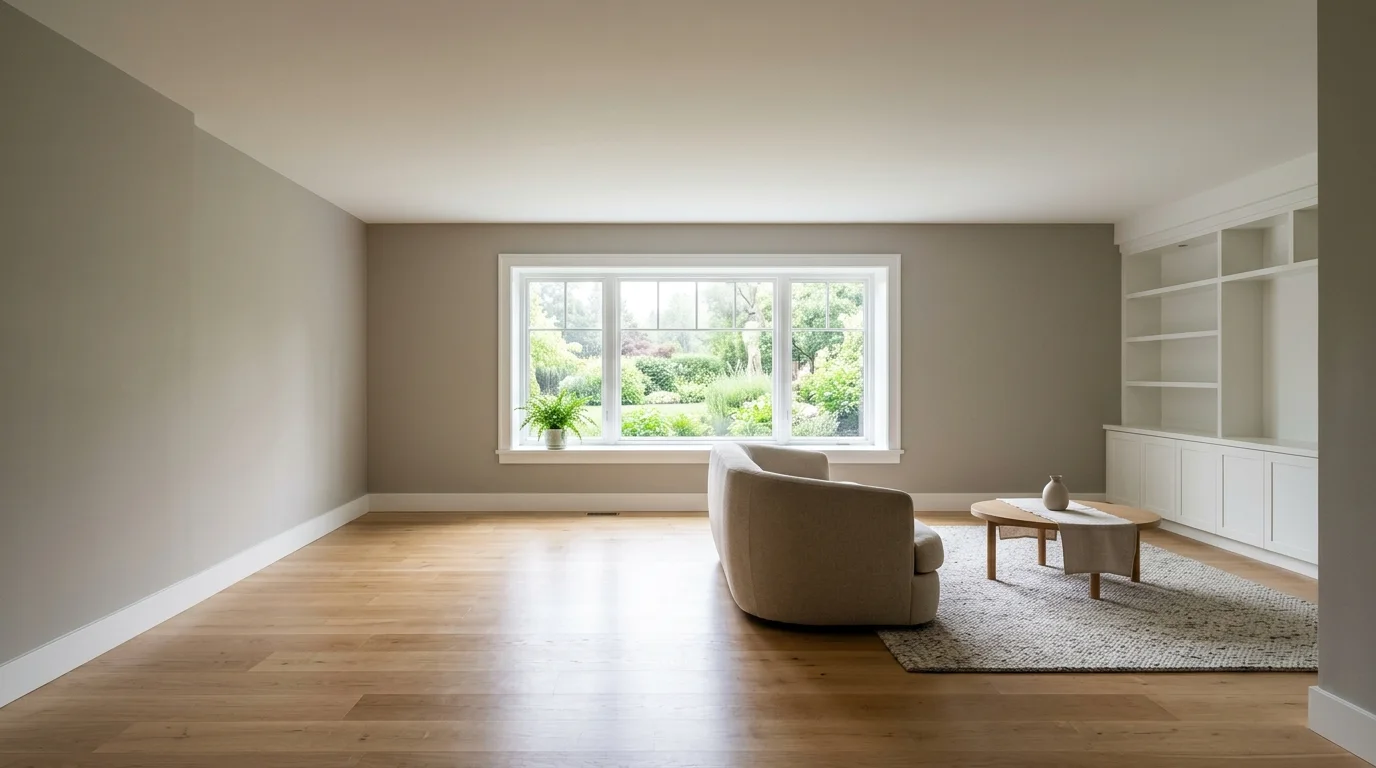
How Does a New Home Addition Affect Your Existing Radon Mitigation System?
A new home addition affects your existing radon mitigation system by altering the building’s air pressure dynamics and creating new pathways for soil gas. According to the EPA’s Consumer’s Guide to Radon Reduction, remodeling can reduce the effectiveness of a radon reduction system. Adding a new foundation or expanding the footprint often disrupts the sub-slab depressurization vacuum, potentially allowing radon concentrations to rise above the EPA action level of 4.0 pCi/L in both the original and new sections of your home.
Common Disruption Factors
- Changes in indoor air pressure from new HVAC extensions.
- Disruption of the soil vacuum beneath the original slab.
- New unsealed joints between the old and new foundation walls.
What Are the Signs Your Radon Mitigation System May Be Compromised After an Addition?
The most direct sign of a compromised radon mitigation system after an addition is a change in the u-tube manometer reading on your mitigation pipe. A deviation from the normal pressure differential indicates a potential disruption to the system’s vacuum. However, the U.S. Environmental Protection Agency (EPA) explicitly recommends post-construction radon testing as the only definitive way to confirm if levels have risen back toward or above the 4.0 pCi/L action level. Watch for these common indicators of system disruption:
- A manometer fluid level that sits at zero (even on both sides).
- Visible damage to the existing PVC vent pipe during construction.
- Unsealed gaps where the new foundation meets the old structure.
What Solutions Are Available to Integrate Radon Mitigation with a New Home Addition?
Integrating radon mitigation into a new home addition requires evaluating the expanded footprint and adjusting the system to maintain continuous depressurization. The EPA advises consulting a radon contractor to determine the best approach for keeping levels below 4.0 pCi/L. The process typically involves three main strategies.
Extending the Existing System
This approach connects the new addition’s sub-slab area to your home’s current sub-slab depressurization system. This is often feasible if the new foundation is contiguous and the existing fan has sufficient capacity for the increased footprint.
Installing a New Independent System
For additions with separate foundations or complex layouts, a dedicated, independent radon mitigation system for the new section may be necessary. Both systems work in tandem to keep overall radon levels below the 4.0 pCi/L threshold.
Sealing New Foundation Cracks
Thoroughly sealing all cracks and openings in the new foundation is a fundamental step. Sealing alone is not sufficient for radon reduction but significantly enhances the efficiency of any active mitigation system.
Why Is Post-Addition Radon Testing Critical for Your St. Charles Home?
Post-addition radon testing is critical because structural changes can introduce new soil gas entry points that bypass your existing mitigation setup. The EPA’s Home Buyer’s and Seller’s Guide to Radon recommends retesting after any major renovation to ensure the construction has not reduced the system’s effectiveness. Testing confirms whether the expanded living space remains below the EPA action level of 4.0 pCi/L, as even lower concentrations still pose some risk to your St. Charles home.
Testing Best Practices
- Test in the lowest lived-in level of the new addition.
- Maintain closed-house conditions during the testing period.
- Use a qualified testing device or hire a certified professional.
How Does Radon Safety Factor Into St. Charles Home Additions?
Radon safety factors into St. Charles home additions as a necessary planning step for maintaining indoor air quality. Because the local geology in the greater St. Louis metro area can produce elevated soil gas, expanding a home’s footprint increases the surface area in contact with the ground. Proactive planning helps manage this risk and aims to keep indoor concentrations below the 4.0 pCi/L action level during and after the construction project.
Proactive Planning Steps
- Consult a mitigation professional before pouring the new foundation.
- Consider installing passive radon-resistant features during construction.
- Schedule a post-construction radon test before occupying the new space.
Do I need a second radon fan for my home addition?
It depends on the size of the addition and the capacity of your current system. If the new foundation is contiguous and your existing sub-slab depressurization fan has sufficient suction, it might be extended to cover the increased footprint. However, complex layouts or separate foundations often require an independent system to maintain optimal radon reduction below 4.0 pCi/L, as outlined in EPA guidance.
Factors Influencing Fan Requirements
- The square footage of the new addition.
- The porosity of the soil or gravel beneath the new slab.
- Whether the new foundation is connected to the existing basement or crawlspace.
How much does it cost to modify a radon system for a new addition?
The cost to modify a radon system for a new home addition varies based on the complexity of the integration and the addition’s size. Extending an existing system is generally less expensive than installing a completely new, independent system. The EPA notes that most radon repairs are comparable to other common home maintenance costs, though specific estimates are required to ensure the modified system can maintain levels below 4.0 pCi/L.
Cost Variables
- Upgrading to a higher capacity radon fan.
- Routing new PVC piping through the addition.
- Sealing extensive foundation joints and cracks.
Should I inform my radon mitigation contractor before starting a home addition?
Yes, you should always inform your radon mitigation contractor before starting a home addition. Major structural changes can significantly impact your existing system’s effectiveness and may void warranties if the system is altered without professional oversight. Consulting a contractor beforehand ensures proper measures are taken to maintain reduced radon levels below 4.0 pCi/L throughout your St. Charles home.
What to Discuss With Your Contractor
- The architectural plans and foundation type for the addition.
- The timeline for pouring the concrete slab.
- Options for integrating passive radon systems into the new construction.
Ensuring your St. Charles home remains safe after an addition is crucial. Understanding how new construction impacts radon levels protects your family’s health. For expert assessment and solutions tailored to your property, schedule a consultation with Air Sense Environmental today. Visit our contact page to get started.
Prepared with AI assistance using the linked primary sources. For property-specific advice, contact Air Sense Environmental.