
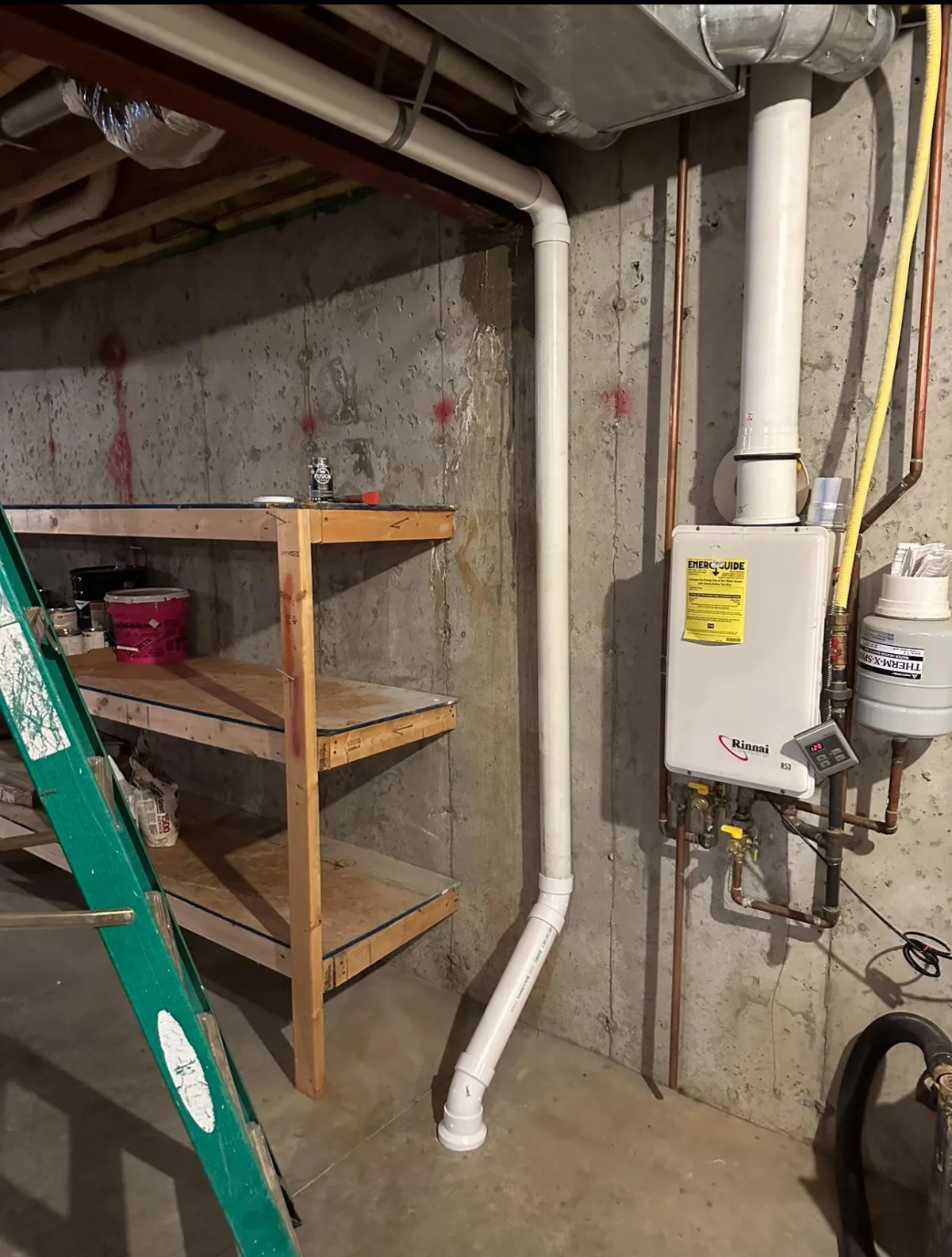
Does a passive radon system work?
A passive system can reduce radon, but its performance must be checked with a test. EPA’s radon-resistant construction guidance describes a vent pipe and other foundation features, with provision for adding a fan when needed.
Ask the builder for the as-built route, foundation details and any test report. A pipe label alone leaves important questions unanswered. Determine where the pipe begins, where it discharges and whether it passes through an accessible area. Keep those details with the house records.
- Request the radon construction documents.
- Find any pre-occupancy test report.
- Identify whether a fan has already been added.
How do you convert a passive radon system to active?
Conversion requires an assessment of the existing installation before a fan is specified. The professional needs to evaluate the complete route and its condition rather than treating the visible attic pipe as the whole system.
Ask whether the quote includes inspection of the existing piping, electrical arrangements, labeling and a verification test. A missing component or inaccessible section may affect scope. Air Sense can discuss your existing pipe and the work appropriate to the address; a conversion price is quoted after review, not inferred from a photograph.
- Photograph accessible pipe sections.
- Show the proposed fan access location.
- Ask who handles electrical work.
- Confirm how the completed system will be tested.
Is radon common in new construction homes?
New construction does not remove the need for radon testing. The fact that a house is new tells you when it was built, not its measured indoor concentration. Avoid using a neighborhood’s building age as a shortcut for deciding whether to test.
In a developing Wentzville or Lake Saint Louis neighborhood, ask about your own lot and construction records. The same floor plan may be built with different foundation arrangements. There is no sound basis here to claim newer St. Charles County homes are always worse than older ones.
How do you prevent radon in new construction?
Plan radon-resistant features before foundation and finish work make access difficult. EPA’s construction guidance includes a gas-permeable layer, soil-gas barrier, sealed openings, vent pipe and electrical provision for a future fan. Have the builder identify the applicable design and inspection requirements for the project.
For an owner, the practical task is to keep the radon plan visible through construction. Request drawings before the slab is poured and photographs before walls close. Agree on who arranges testing once the building is ready. A later basement finish should preserve access to equipment and identification labels.
- Keep pre-slab photographs.
- Preserve access to the fan location.
- Ask for clear pipe identification.
- Record the final test and operating instructions.
Questions before you book
Is activating a passive system always a simple fan installation?
No. The existing route and foundation connection need inspection. Missing or unsuitable components can change the work required.
Should I finish the basement before reviewing the pipe?
Review the pipe and testing plan before closing walls or ceilings. That gives the contractor a chance to identify access conflicts while changes are easier.