
Should I test before and after finishing my basement?
Yes. CDC recommends testing before and after renovations, including changes that mean spending more time on a lower level. A basement office or bedroom makes the intended use important to discuss. CDC’s testing guidance explains these triggers.
Bring radon into the renovation conversation before walls and ceilings conceal possible routes. Share the layout, earlier results and intended use with the testing and remodeling professionals. Agree who will coordinate access and how work will be sequenced if a system is needed. An earlier test does not document the completed renovation; plan for that later measurement as part of the project file.
Use the basement renovation testing guide to organize the information before booking.
Does a new home with a passive pipe still need testing?
Yes. EPA advises testing new homes even when radon-resistant construction features are present. A passive pipe and an operating fan-based system are different arrangements; neither supplies an indoor measurement by itself. The EPA home buyer guide covers new construction.
Collect builder drawings, prior results and any system instructions. Tell the tester whether a fan is installed and whether the home has been changed since the builder’s test. If activation is proposed, request a written scope and a verification test plan. Our passive radon system guide explains the records and questions to bring to that discussion.
How should I prepare a St. Charles County home?
Begin with the purpose of the measurement and the actual layout. Explain which basement rooms are used, whether an addition sits over a different foundation, and whether a transaction deadline applies. Let the professional select the test setup using the relevant protocol.
- Confirm the appointment and report timing.
- Share written preparation instructions with everyone occupying the home.
- Choose arrangements that keep children, pets and contractors from moving the device.
- Disclose planned work or ventilation changes before testing starts.
- Report any disruption and keep the full report afterward.
Do not substitute a neighbor’s placement instructions for the instructions for your test. Describe any unusual access issue when booking, particularly in a finished basement or a home being shown to buyers.
What should I check in the report?
Check the property address, measurement location, start and end times, units, test method and reported result. Ask the tester to explain any limitations or disrupted conditions and the recommended next step. A text message containing only a number loses the context needed for later decisions.
Missouri’s radon information provides regional background, but a county statistic cannot substitute for the report for your house. Keep earlier reports for comparison and record relevant changes between them. Avoid treating different test durations or locations as if they were identical measurements.
What if I need mitigation or have a sump pit?
Ask the contractor to review the report and foundation before proposing a route. Identify the sump, finished rooms and any existing passive pipe. For a sump-based approach, ask how the design will preserve necessary pump service access. A closed lid alone is not evidence of a complete mitigation system.
Our sump pit mitigation guide describes the access questions. Compare proposals by their stated route, included work, electrical arrangements, restoration, warranty and verification plan. Request property-specific pricing rather than assuming one county-wide price fits every foundation and finish level.
How should I choose a provider in O’Fallon or St. Peters?
Ask who will perform the measurement, what qualifications apply, what report is supplied and how the test fits your purpose. For mitigation, ask who designs the system, what is included and how the result will be checked. Confirm current credentials directly instead of relying on an undated badge.
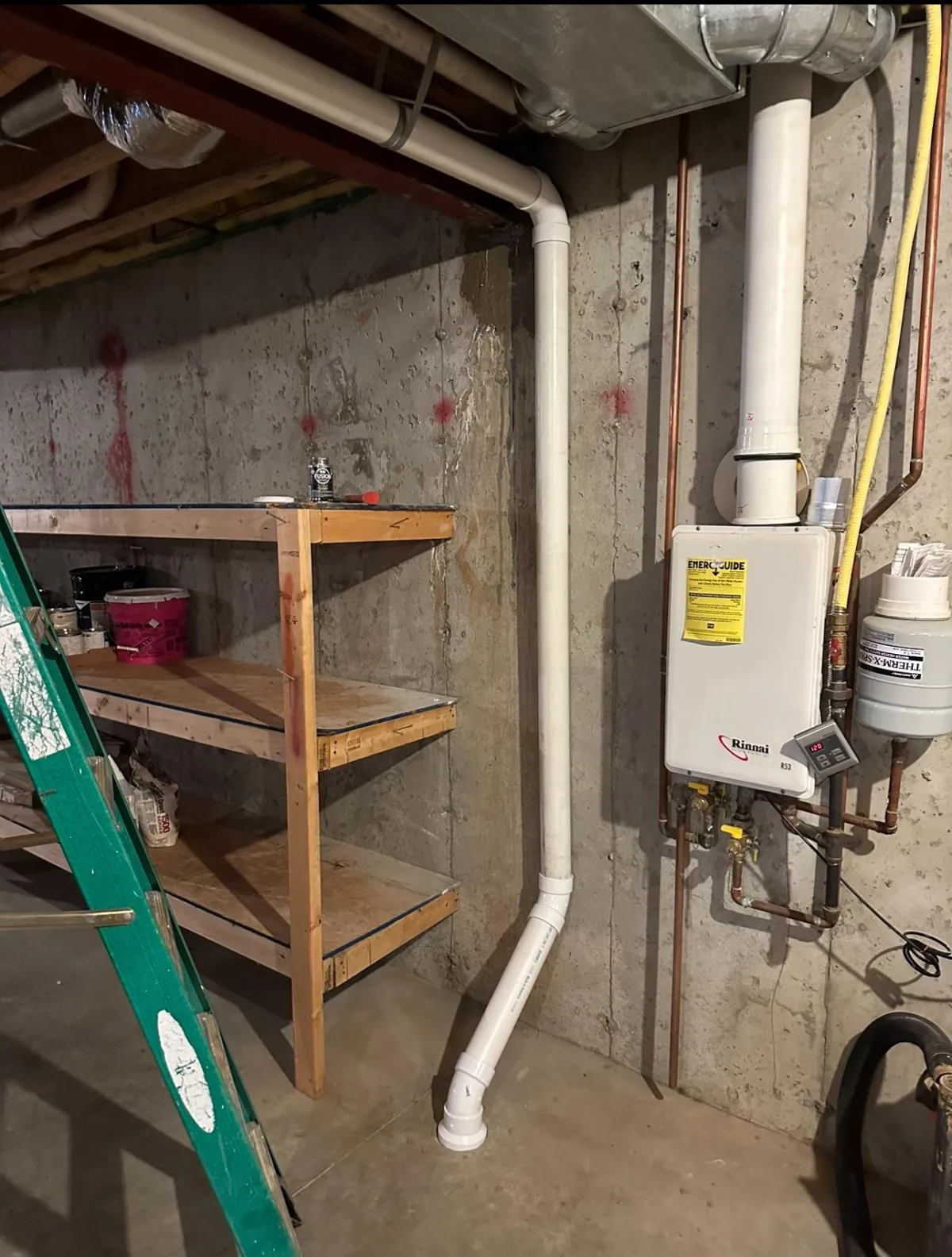
Air Sense Environmental is the service provider behind this site, not a separate St. Charles office. Its original installation photographs show examples of its work; your home still needs its own assessment. Call 314-664-9807 with the address, home layout and deadline to discuss the service and availability.
Questions before you book
Can I stay home during testing?
Ordinary occupancy can generally continue while the test instructions are followed. Tell the tester about activities or work that could affect the required conditions.
Is a builder’s old report enough?
Review its date, location and conditions with the tester, including changes since construction and the way you now use the home.
Does an existing sump cover mean radon is controlled?
No. The cover is a component to assess, while an indoor test establishes the measured radon concentration.
What should I send when asking for a visit?
Send the address, reason for testing, relevant deadlines, lower-level layout and any earlier test or system records. Confirm scheduling and report delivery before relying on a date.