
Radon Mitigation Design for Egress Windows in St. Charles, MO
By Jake Lusby · Air Sense Environmental
Integrating a radon mitigation system with basement egress windows in St. Charles County, Missouri, presents specific design challenges that require careful planning. These structural modifications directly impact the crucial sub-slab depressurization, which is the primary method for reducing radon levels in homes. Homeowners in areas like St. Louis, MO, and its surrounding counties, including St. Charles, must ensure that new window installations do not compromise the integrity of their existing or planned radon reduction systems. The EPA recommends fixing homes if radon levels are 4.0 pCi/L or higher, and any alteration to the foundation can inadvertently create new entry points for this invisible, odorless gas. This guide explores how egress windows affect radon systems, outlines proper pipe routing and sealing techniques, and explains why professional expertise is vital to maintain effective radon control in your home.
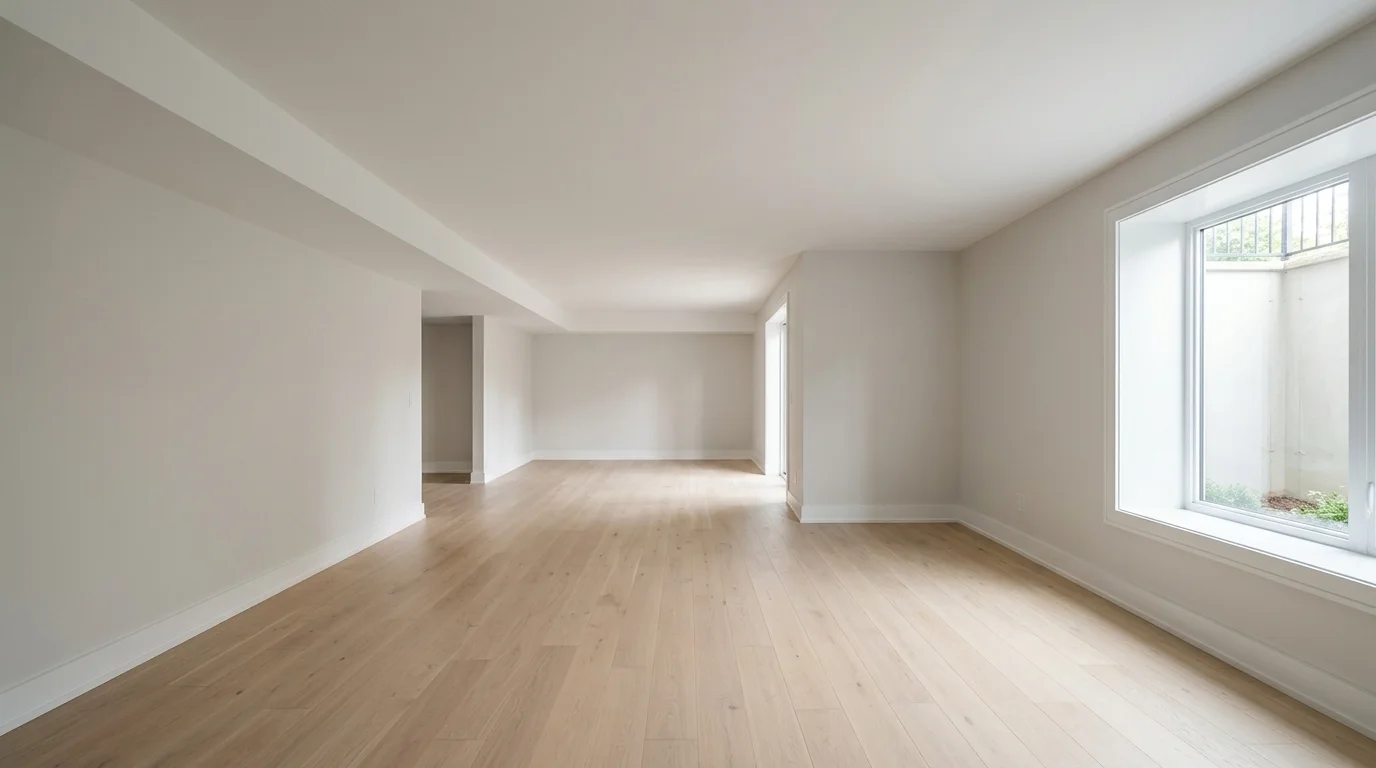
How do basement egress windows impact radon mitigation systems?
Basement egress windows impact radon mitigation systems by disrupting the negative pressure beneath the foundation. These structural changes introduce new entry points for radon gas, which can compromise sub-slab depressurization systems designed to keep indoor radon levels below the EPA action level of 4.0 pCi/L. Effective mitigation relies on a sealed barrier and consistent pressure differential.
System Disruptions
- New Radon Entry Points: Cutting into the foundation creates seams and pathways for radon to enter the home. Even with careful sealing, these new interfaces can become vulnerable points if not properly integrated into the overall radon barrier.
- Compromised Depressurization: An egress window well can alter soil gas communication pathways around the foundation. This reduces the negative pressure field’s effectiveness, potentially allowing radon levels to rise above safe limits in a previously mitigated home.
How do you route radon pipes around a new egress window?
Routing radon mitigation pipes around a new basement egress window requires careful planning to maintain system efficiency and prevent radon re-entry into your St. Charles County home. Proper design ensures the system effectively lowers radon levels without interfering with the window’s emergency function. The goal is to preserve sub-slab depressurization while accommodating the new structural opening.
Step 1: Assess Exterior Clearance
Before rerouting, evaluate the exterior space around the new egress window. Radon exhaust pipes must vent above the roofline, at least 10 feet above ground, and a minimum of 10 feet away from any windows, doors, or other openings that could allow radon to re-enter the home. This distance is crucial unless the exhaust is at least 2 feet above these openings, as recommended by the EPA.
Step 2: Reroute PVC Piping
Adjust the vertical or horizontal run of the PVC piping to navigate around the egress window’s structure. This may involve adding elbows or extending the pipe run to achieve necessary clearance. Minimize sharp bends to maintain optimal airflow and system performance.
Step 3: Verify Fan Placement
Confirm that the radon fan remains in an unconditioned space, such as an attic, garage, or on the exterior of the home, away from living areas. After rerouting, ensure the fan is still accessible for any future maintenance or inspection needs.
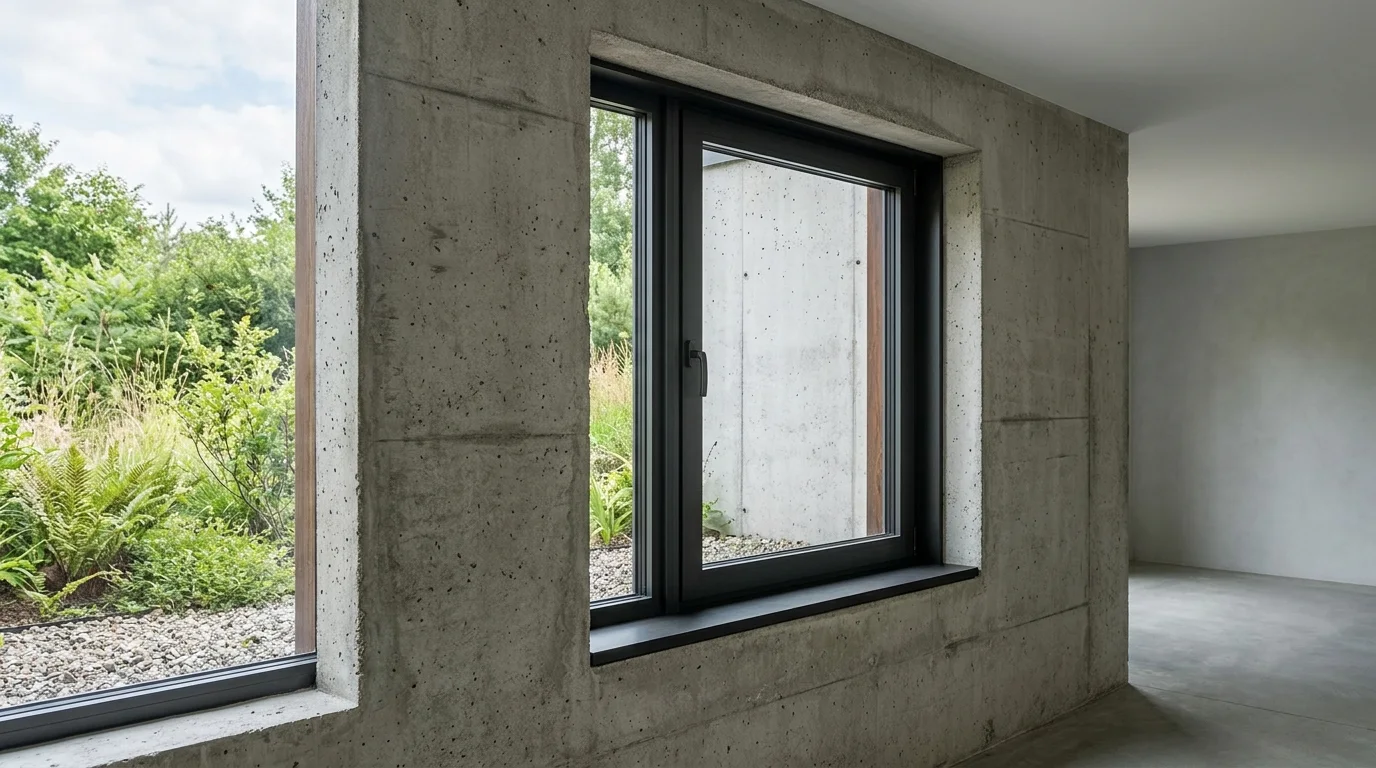
How to seal around an egress window for radon prevention?
To prevent radon gas from entering your St. Charles County home through basement egress windows, effective sealing is crucial. This involves carefully sealing gaps around the window frame and foundation using materials like polyurethane caulk, expanding foam, and sometimes vapor barriers. While sealing alone is not a complete radon mitigation strategy, it significantly enhances the effectiveness of other reduction methods by limiting soil gas entry, as recommended by the EPA.
Using Polyurethane Caulk
Polyurethane caulk provides a durable, flexible seal for small cracks and gaps around the egress window frame and concrete. It adheres well to concrete and masonry, offering long-lasting protection against radon intrusion.
Applying Expanding Foam
For larger gaps and irregular spaces, expanding foam creates an airtight barrier. This material effectively fills voids, preventing radon from seeping through hard-to-reach areas around the window well and frame.
Installing Vapor Barriers
In some cases, especially with window wells that extend below the slab, integrating a vapor barrier further enhances radon prevention. This high-density plastic sheeting can be sealed to the foundation and around the window’s rough opening to block soil gas entry.
Can I install an egress window if I already have an active radon system?
Yes, you can install an egress window if you already have an active radon system, but the structural changes necessitate a temporary system shutdown and post-installation recalibration to ensure negative pressure is maintained. Major renovations can alter a home’s radon levels by creating new entry points or disrupting the existing sub-slab depressurization system. A qualified professional should assess the system after installation to ensure its integrity and proper function.
Temporary System Shutdown
During construction, the existing radon fan must be turned off to prevent drawing outside air or construction dust into the system, which can damage the fan or alter pressure dynamics.
Post-Installation Retesting
The EPA’s Home Buyer’s and Seller’s Guide to Radon recommends retesting your home after any major structural changes to confirm that the radon reduction system remains effective and that levels are below the action level of 4.0 pCi/L.
Why do I need a professional for radon mitigation in St. Charles County?
Professional expertise is essential for radon mitigation in St. Charles County, especially when structural changes like basement egress windows are involved. These modifications introduce complex pressure dynamics and potential new entry points for radon gas. An experienced professional from Air Sense Environmental understands how to maintain crucial sub-slab depressurization to help keep radon levels below the EPA action level of 4.0 pCi/L.
Professional mitigation ensures several critical safety standards are met: * System Design: Designing custom sub-slab depressurization that accommodates new foundation openings. * Code Compliance: Ensuring exhaust pipes vent safely above the roofline and away from the new window. * Performance Verification: Confirming the system maintains the necessary negative pressure differential.
How often should I retest for radon after installing an egress window?
You should retest for radon within 30 days of restoring your mitigation system after installing an egress window, but no sooner than 24 hours after the system is fully operational. Testing ensures the structural changes have not compromised the system’s ability to maintain safe indoor air quality.
Initial Post-Renovation Testing
The EPA recommends testing your home again after any major structural changes, such as adding a new window, to ensure the radon reduction system remains effective.
Long-Term Monitoring Routine
Beyond the initial post-construction test, it is a good practice to retest your home at least every two years to confirm radon levels stay low over time.
Are there specific building codes in St. Charles County for egress windows and radon systems?
Yes, while St. Charles County adheres to general building codes for egress windows, specific local radon system requirements may vary. A qualified radon mitigation contractor in St. Charles County will be knowledgeable about all applicable regulations, ensuring your system is compliant and effective.
Many jurisdictions mandate that systems be installed according to industry consensus standards like ASTM E2121, which require: * Exhaust Placement: Venting exhaust pipes at least 10 feet above ground and away from openings. * Fan Location: Placing radon fans in unconditioned spaces like attics or exteriors. * System Labeling: Clearly marking radon components to prevent accidental alterations.
Does a basement egress window increase my home’s radon levels?
Yes, installing a basement egress window can increase your home’s radon levels. These structural changes create new potential entry points for radon gas and can disrupt the negative pressure maintained by an existing mitigation system.
Disrupted Pressure Boundaries
Cutting into the foundation can alter soil gas communication pathways, which reduces the negative pressure field’s effectiveness and allows radon to enter.
New Soil Gas Pathways
Even with careful sealing, new interfaces around the window frame and well can become vulnerable pathways, making it essential to re-evaluate your system to ensure levels remain below the EPA action level of 4.0 pCi/L.
Protecting your St. Charles County home from radon requires expert attention, especially with structural updates like egress windows. Our professionals are ready to assess your unique situation and design a tailored solution. Schedule a consultation with Air Sense Environmental today to ensure your home remains safe and healthy.
Prepared with AI assistance using the linked primary sources. For property-specific advice, contact Air Sense Environmental.