
Does Epoxy Coating Your Basement Floor Stop Radon Gas?
By Jake Lusby · Air Sense Environmental
No, epoxy basement floor coatings do not sufficiently stop radon gas from entering your home. For homeowners in St. Louis, MO, and specifically St. Charles County, addressing radon requires more than surface sealants. While these coatings can reduce some radon infiltration by sealing minor cracks, they cannot create an airtight barrier against all entry points or the underlying pressure dynamics that draw radon indoors. The EPA recommends fixing homes if radon levels are 4.0 pCi/L or higher, noting that lower concentrations still carry risk, and sealing alone has not been shown to consistently lower levels significantly enough to meet this standard. This guide will clarify why epoxy alone is insufficient, explain the true role of sealing in radon reduction, detail how effective mitigation systems work, and outline how to address radon effectively in your St. Charles County home.
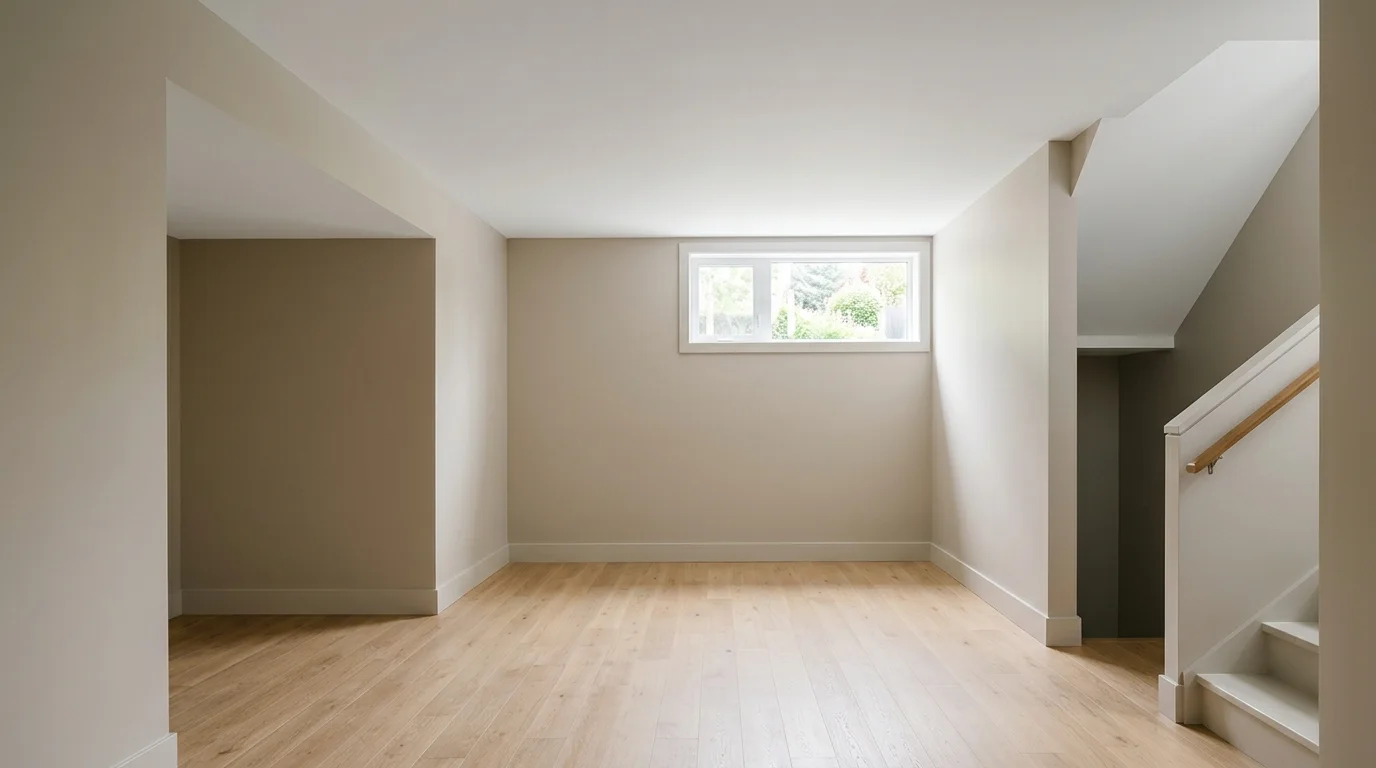
Does epoxy coating your basement floor stop radon gas?
No, applying an epoxy or polyurea coating to your basement floor does not sufficiently stop radon gas from entering your home. While these coatings create a sealed surface, they are not a standalone solution for radon control and do not replace the need for professional mitigation. For homeowners in St. Charles County, Missouri, addressing radon effectively requires more than surface-level sealants.
Epoxy coatings can reduce some radon infiltration by sealing minor cracks, but they cannot create an airtight barrier against all entry points or the underlying pressure dynamics that draw radon indoors. The EPA recommends fixing homes if radon levels are 4.0 pCi/L or higher (though lower concentrations still carry risk), and sealing alone has not been shown to consistently lower levels significantly enough to meet this standard, as detailed in the Consumer’s Guide to Radon Reduction.
Radon persists through various pathways, even with a sealed floor, due to:
- Concrete Porosity: Concrete itself is naturally porous, allowing gas to permeate through microscopic openings.
- Foundation Gaps: Radon enters through cracks in foundation walls, construction joints, and gaps around pipes or utility penetrations, not just the floor.
- Pressure Differential: The air pressure inside your home is often lower than in the soil beneath, creating a vacuum effect that draws radon gas inward.
For comprehensive radon solutions, Air Sense Environmental provides effective Radon Mitigation in St. Charles County that addresses these deeper issues, effectively lowering radon concentrations for your St. Louis, MO area home.
Why doesn’t epoxy alone stop radon gas?
Epoxy coatings, while creating a durable and visually appealing surface, cannot fully stop radon gas from entering your St. Charles County home. This is because radon is a gas, not a liquid, and it exploits microscopic pathways and pressure differentials that surface sealants simply cannot address. The U.S. Environmental Protection Agency (EPA) emphasizes that sealing alone is generally insufficient for effective radon reduction, as it has not been shown to lower levels significantly or consistently, according to their Consumer’s Guide to Radon Reduction.
Here are key reasons why epoxy alone is not enough to stop radon:
- Concrete Porosity: Even well-applied epoxy sits on concrete, which is inherently porous. Radon gas can diffuse through the concrete slab itself, even if the surface is sealed, finding countless tiny routes that are invisible to the eye.
- Numerous Entry Points: Radon doesn’t just enter through the main floor slab. It can seep in through foundation cracks, construction joints, gaps around utility pipes, sump pits, and even hollow block walls. An epoxy floor only covers one surface, leaving many other potential entry points unaddressed, as detailed in the EPA’s Citizen’s Guide to Radon.
- Pressure Differential: Radon is driven into homes by a natural pressure difference between the soil beneath the foundation and the indoor air. This vacuum effect pulls gas inward, making it difficult for a surface coating to resist the continuous, pervasive force.
- Gas vs. Liquid Barrier: Epoxy is highly effective at creating a barrier against liquids and moisture. However, gases behave differently, easily penetrating materials that are impermeable to water. A gas-tight seal requires a more comprehensive approach than a surface coating.
For reliable radon control, professional testing is crucial to identify actual levels. Effective mitigation typically involves active systems like those discussed on our Radon Testing in St. Charles County page, which address the root cause of entry.
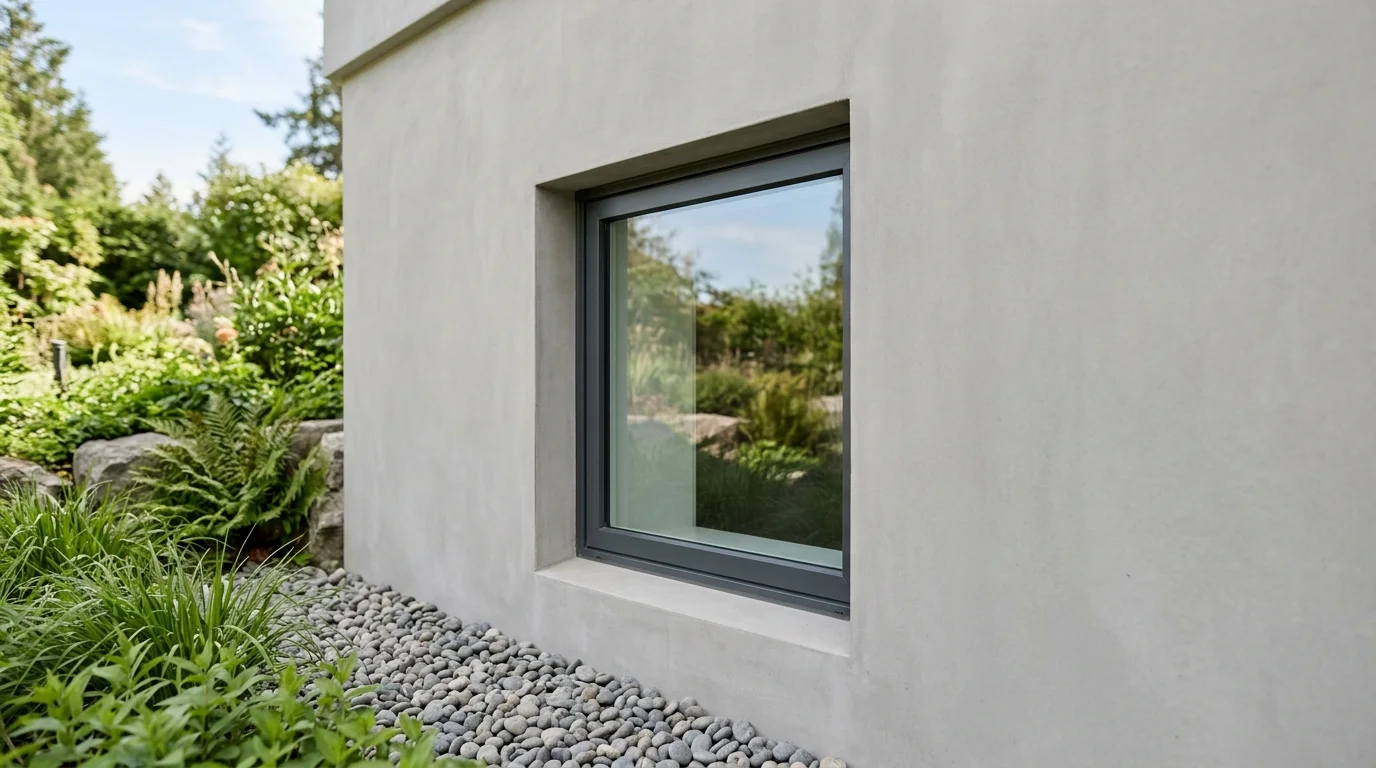
What role does sealing play in radon reduction?
Sealing cracks and other openings in your basement plays a supportive, but not primary, role in a comprehensive radon mitigation strategy. While sealing helps limit radon entry and makes active mitigation systems more efficient, the Environmental Protection Agency (EPA) emphasizes that it is not a standalone solution for effectively reducing radon levels below the action level of 4.0 pCi/L, keeping in mind that lower concentrations still carry risk.
The EPA identifies several common entry points for radon gas that benefit from proper sealing, as detailed in A Citizen’s Guide to Radon:
- Cracks in solid floors
- Construction joints
- Gaps around service pipes
- Cavities inside walls
However, the EPA explicitly states in its Consumer’s Guide to Radon Reduction that sealing alone has not been shown to lower radon levels significantly or consistently. This is because normal home settling can create new entry routes or reopen old ones, making it difficult to identify and permanently seal all potential entry points. Therefore, effective radon reduction relies on active systems, where sealing acts as an important complementary step to enhance overall efficiency and reduce conditioned air loss, rather than serving as the primary barrier.
How do effective radon mitigation systems work?
Effective radon mitigation relies on active sub-slab depressurization, a proven method reducing indoor radon levels. This system draws radon gas from beneath your home’s foundation and vents it outside, preventing entry into living spaces. It is the most common and reliable technique, capable of reducing radon by up to 99% when properly installed, especially for levels at or above the EPA action level of 4.0 pCi/L (note that lower concentrations still carry risk). For new construction, similar Passive Radon Systems and New Construction can be integrated during building.
Suction Point Installation
One or more suction pipes are inserted through the concrete slab into the crushed rock or soil beneath your home. The number and placement of these pipes depend on factors like soil permeability and the home’s foundation design, ensuring optimal collection of radon gas.
Vent Pipe Routing
Once collected, the radon gas channels through a sealed vent pipe system. This pipe typically runs from the basement or lowest level, extending vertically through the home’s interior or exterior, and safely exhausts the gas above the roofline, away from windows and other openings, as outlined by the EPA’s Consumer’s Guide to Radon Reduction.
Fan Operation
An inline fan, installed within the vent pipe, continuously creates negative pressure beneath the slab. This vacuum actively pulls radon from the soil before it can infiltrate your home. After installation, post-mitigation testing is crucial to verify that radon levels have been successfully reduced.
How can you manage radon levels in St. Charles County?
Addressing radon in your St. Charles County home requires a comprehensive approach that extends beyond simple surface treatments like epoxy floors. For homeowners in St. Louis, MO, and specifically St. Charles County, true management comes from prioritizing professional radon testing and, if necessary, expert mitigation. Verified radon levels and a properly installed system help manage this risk for your home.
A holistic strategy for radon management involves several key steps:
- Initial Testing: Accurate radon testing is crucial to determine if your home’s levels are at or above the EPA action level of 4.0 pCi/L, as lower concentrations still carry risk.
- Professional Mitigation: If elevated levels are found, installing an active system is the essential next step.
- Post-Mitigation Verification: Retesting ensures the system effectively reduced radon concentrations.
Air Sense Environmental specializes in designing and installing effective systems that actively reduce radon concentrations. This commitment to thorough solutions helps reduce radon concentrations for your family. Understanding the full scope of radon control is vital for proper management. Learn more about our approach to home mitigation on our About St. Charles County Radon page.
How much does it cost to epoxy a basement floor?
The cost to epoxy a basement floor varies significantly depending on several factors, including the size of your basement, the current condition of the concrete, and the specific type of epoxy or polyurea coating chosen.
Material and Labor Expenses
Professional installation will naturally be more expensive than a DIY approach. This investment covers specialized materials and the expertise required for proper application.
Surface Preparation Requirements
Extensive surface preparation is often necessary for the coating to adhere correctly. Complex layouts or floors requiring significant repair work before coating can also increase the overall investment. It is best to get detailed estimates from local flooring specialists in the St. Charles County area to understand the precise cost for your home.
Do I need to retest for radon after finishing my basement?
Yes, retesting for radon after finishing your basement is crucial. Major renovations can significantly alter airflow patterns and create new pathways for radon gas to enter your home.
The EPA strongly recommends retesting in the lowest lived-in area after any substantial home changes to ensure that radon levels remain below the action level of 4.0 pCi/L, since lower concentrations still carry risk. You should specifically retest after:
- Converting an unfinished basement into a living space.
- Adding a new foundation for a home addition.
- Making structural changes that affect heating and ventilation.
This step verifies the effectiveness of any existing mitigation or identifies new issues, helping manage radon levels in your St. Charles County home.
Can I install a radon mitigation system myself?
No, you should not install a radon mitigation system yourself. The EPA strongly recommends hiring a qualified radon mitigation contractor to handle the installation.
Technical Knowledge and Equipment
Lowering elevated radon levels requires specific technical knowledge and specialized skills to design and install an effective system. Professionals use diagnostic testing to determine the optimal placement for suction pipes and fans.
Potential Hazards of DIY Installation
Without proper equipment or expertise, you could inadvertently increase radon levels or create other potential hazards, such as backdrafting combustion appliances. Professional installation ensures the system is correctly designed, safely installed, and effectively reduces radon in your St. Charles County home.
Managing radon gas in your St. Charles County home is an important step. If you have concerns about radon levels or need professional mitigation, Air Sense Environmental is here to help. Schedule a consultation with our experts to discuss effective solutions tailored to your home’s unique needs. Contact us today to schedule your service.
Prepared with AI assistance using the linked primary sources. For property-specific advice, contact Air Sense Environmental.