
Seal Basement Plumbing Rough-Ins for Radon in St. Charles
By Jake Lusby · Air Sense Environmental
When finishing a basement in St. Louis, MO, or neighboring St. Charles County, installing new bathroom plumbing rough-ins creates significant challenges for radon control. Breaking the concrete slab for pipes and drains introduces direct entry points for radon gas, potentially compromising the effectiveness of existing mitigation systems. This disruption can allow dangerous levels of radon to seep into your home.
For homeowners in the St. Louis metro area, these unsealed openings can destroy the crucial sub-slab vacuum that prevents radon accumulation. The EPA warns that radon is the second leading cause of lung cancer, and levels at or above 4.0 pCi/L require action. Proper sealing is essential to protect your family’s health and maintain a safe indoor environment.
This guide explains how plumbing rough-ins affect radon levels, details effective sealing techniques, and outlines when to retest your home to ensure continued protection.
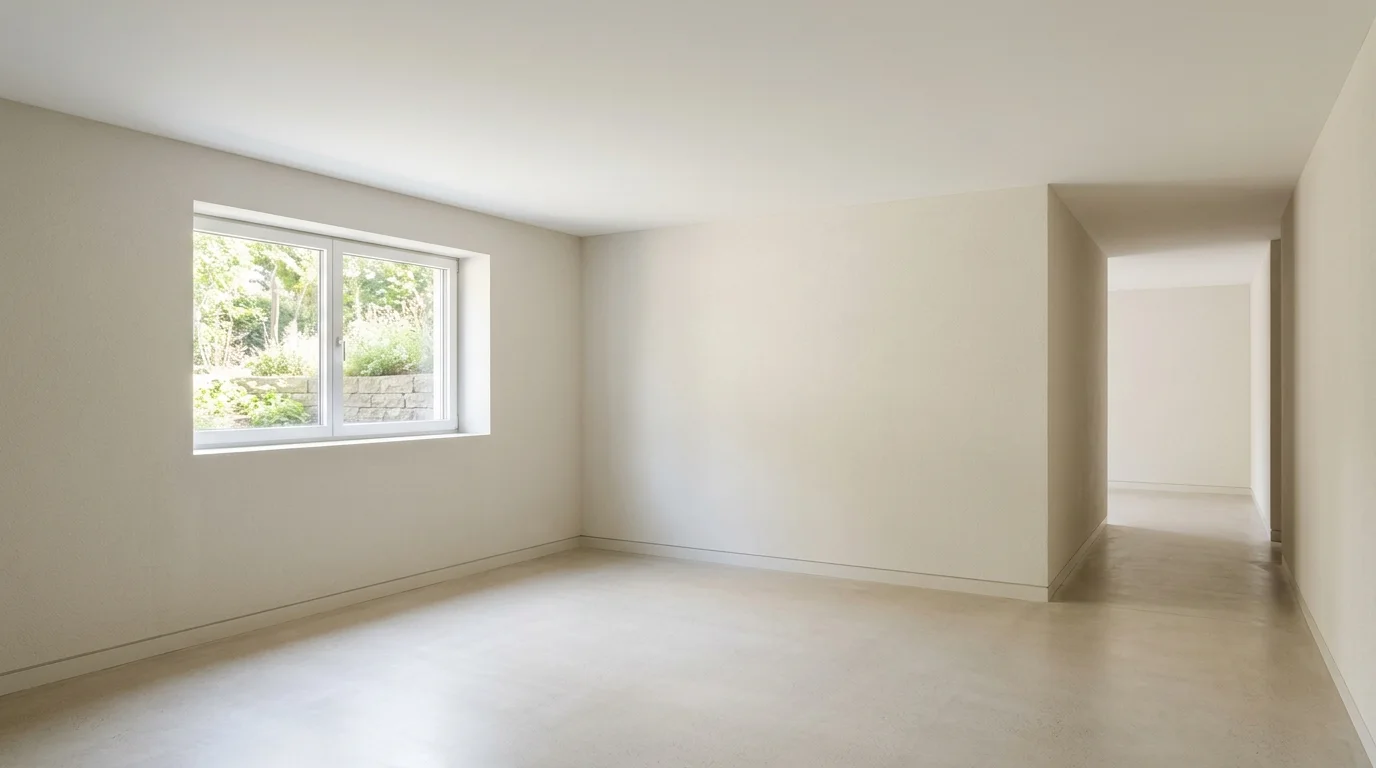
How do basement plumbing rough-ins affect radon levels?
Breaking your basement’s concrete slab for new bathroom plumbing rough-ins creates direct pathways for radon gas to enter your home. These new openings can severely compromise an existing sub-slab depressurization system by disrupting its vacuum. This allows soil gas, often containing radon, to bypass the system and seep into your living space. The EPA’s A Citizen’s Guide to Radon highlights that radon typically enters homes through foundation cracks and other openings, making any new breach a potential entry point for levels above the EPA action level of 4.0 pCi/L.
Plumbing rough-ins disrupt radon control in several specific ways:
Open Gravel Pits
Exposed soil provides a massive surface area for radon emission directly into the basement.
Unsealed Pipe Penetrations
Unsealed gaps around PVC pipes act as chimneys, funneling soil gas upward.
Loss of System Vacuum
Breaches in the slab equalize pressure, neutralizing the suction created by active mitigation fans.
How do you seal plumbing rough-ins against radon?
You seal plumbing rough-ins against radon by preparing the penetration area, applying polyurethane caulk around pipes, and covering exposed gravel with a vapor barrier. Effectively sealing plumbing rough-ins is critical for preventing radon gas from entering your home and for maintaining the integrity of any existing mitigation system. Using the right materials ensures your basement remains a healthy living space, and regular radon testing can confirm the effectiveness of your sealing efforts.
Step 1: Prepare the Penetration Area
Thoroughly clean the area around each pipe penetration to ensure proper adhesion.
- Remove any loose concrete, dirt, or debris from the rough-in pit.
- Wipe down the edges of the concrete slab and the exterior of the PVC pipes.
- Ensure all surfaces are completely dry before applying any sealant.
Step 2: Seal Pipe Penetrations
For pipes passing through the concrete slab, use a durable, flexible sealant.
- Apply specialized polyurethane caulk or hydraulic cement around the pipes.
- Ensure the sealant forms a continuous, airtight bead around the entire circumference.
- The EPA’s Consumer’s Guide to Radon Reduction emphasizes that sealing cracks and openings is a basic part of radon reduction.
Step 3: Address Open Gravel Pits
For larger rough-in pits or exposed gravel areas, lay down a vapor barrier.
- Cut high-density polyethylene sheeting to cover the exposed soil.
- Overlap seams by at least 12 inches and seal them with appropriate tape.
- Secure the edges to the foundation walls or existing slab with a continuous bead of caulk.
Why is proper sealing crucial for existing radon systems?
Proper sealing is crucial for existing radon mitigation systems because new plumbing rough-ins create direct pathways for soil gas, compromising the sub-slab depressurization vacuum. This can lead to indoor radon levels at or above the EPA action level of 4.0 pCi/L. An active system relies on maintaining a lower pressure zone beneath your basement slab compared to the indoor air.
When a rough-in breaches the slab, the system suffers in several ways:
Airflow Reversal
Outside air or indoor air is drawn into the sub-slab system instead of radon-rich soil gas.
Reduced Capture Zone
The fan’s suction cannot reach the extremities of the foundation due to the pressure leak.
Increased Energy Costs
The fan works harder to move unconditioned air rather than maintaining a static vacuum.
When should I test for radon after basement plumbing rough-ins?
You should test for radon at least 24 hours after completing basement plumbing rough-ins and sealing the penetrations. The EPA specifically advises testing after major renovations, such as converting an unfinished basement into living space, to ensure construction has not compromised radon reduction efforts. This guidance is detailed in the EPA’s Home Buyer’s and Seller’s Guide to Radon.
To ensure accurate post-renovation testing, follow these steps:
Wait 24 Hours
Wait at least 24 hours after an active mitigation system is fully operational before starting the test.
Maintain Closed-House Conditions
Maintain closed-house conditions for 12 hours prior to and during short-term tests.
Place the Device Correctly
Place the test device in the lowest level that could be used regularly, such as the newly finished bathroom.
Verify Safe Levels
Verify that stabilized levels remain below the EPA action level of 4.0 pCi/L.
Why is professional radon expertise crucial for basement sealing in St. Charles County?
Professional radon expertise is crucial for basement sealing to ensure long-term protection when finishing a basement bathroom. Without specialized knowledge, attempting complex sealing of plumbing rough-ins can compromise a home’s defense against radon, potentially raising indoor levels above the EPA action level of 4.0 pCi/L.
Air Sense Environmental provides the local expertise needed to address these unique challenges in St. Louis, MO, and St. Charles County. Hiring certified professionals offers several advantages:
System Diagnostics
Professionals can measure sub-slab pressure field extension to verify the vacuum is intact.
Commercial-Grade Materials
Experts use commercial-grade sealants that withstand concrete movement and moisture.
Code Compliance
The EPA emphasizes selecting qualified radon mitigation contractors who are trained to fix radon problems to established standards.
Can I use regular caulk to seal plumbing rough-ins against radon?
No, regular caulk is generally insufficient for sealing plumbing rough-ins against radon. Standard caulks often lack the durability needed to withstand concrete movement and maintain an airtight seal over time. For effective sealing, it is crucial to use specialized durable materials or hydraulic cement for larger gaps.
Regular caulk fails in basement applications for several reasons:
Poor Adhesion
It often peels away from dusty concrete or PVC pipes over time.
Lack of Flexibility
Standard caulk cracks when the concrete slab expands or contracts with temperature changes.
Moisture Degradation
Basement slabs frequently experience moisture vapor transmission, which degrades standard acrylic caulks.
How long does it take for radon levels to stabilize after sealing plumbing rough-ins?
After sealing plumbing rough-ins, it takes a minimum of 24 hours for the sub-slab pressure to stabilize and for radon levels to reflect the new conditions. If you have an active mitigation system, you must wait this full 24-hour period with the fan running continuously before conducting a new test.
During this stabilization period, several processes occur:
Vacuum Re-establishment
The mitigation fan depressurizes the newly sealed sub-slab area.
Trapped Gas Venting
Trapped radon gas is gradually drawn out and vented above the roofline.
Natural Air Exchange
The indoor air naturally exchanges with outdoor air, diluting any residual radon.
It is crucial to verify that the stabilized levels remain below the EPA action level of 4.0 pCi/L.
Are there specific building codes in St. Charles County for radon sealing during basement renovations?
While local municipalities may not have unique building codes solely for radon sealing during basement renovations, local regulations often incorporate or reference national standards. These typically align with guidance from the EPA, which outlines best practices for radon-resistant construction and mitigation.
When renovating, homeowners and contractors should follow these standard practices:
Seal All Penetrations
Every new pipe or drain must be sealed airtight at the slab level.
Maintain Vapor Barriers
Any breached plastic sheeting under the slab must be repaired or replaced.
Consult Local Authorities
Always consult the local Department of Building and Code Enforcement or a licensed radon professional to ensure compliance.
Don’t let new basement plumbing compromise your home’s radon protection. If you’re planning a basement bathroom addition in St. Louis, MO, or St. Charles County, ensure proper sealing from the start. Schedule a consultation with Air Sense Environmental to discuss your project and secure your home against radon entry by visiting our contact page.
Prepared with AI assistance using the linked primary sources. For property-specific advice, contact Air Sense Environmental.