
Radon Testing After Renovations in St. Charles County
By Jake Lusby · Air Sense Environmental
Major home renovations, from new windows to HVAC upgrades, can inadvertently elevate radon levels, even in homes that previously tested safe. Many homeowners in St. Louis, MO, and neighboring St. Charles County are unaware that these improvements can significantly alter indoor air dynamics.
The EPA and CDC strongly recommend radon testing after any major renovation because tightening a home’s envelope can trap this odorless, colorless gas, leading to increased concentrations. This is a critical safety measure, as radon is the second leading cause of lung cancer, and levels at or above the EPA action level of 4.0 pCi/L require attention.
This guide explains why retesting is essential, details how various renovations impact radon, identifies which projects warrant a new test, and provides practical advice on when and how to conduct post-renovation radon testing.
Why should I retest for radon after a home renovation?
You should retest for radon after a home renovation because structural changes can alter your home’s airflow and pressure dynamics, potentially drawing more soil gas indoors. The Centers for Disease Control and Prevention (CDC) strongly recommends retesting after any major home improvement project because these updates can inadvertently create new pathways for radon entry or seal existing ventilation routes. Air Sense Environmental emphasizes that retesting helps verify your St. Charles County home continues to provide a healthy indoor environment. If post-renovation levels reach or exceed the EPA action level of 4.0 pCi/L, professional mitigation can address the issue.
Renovations typically impact radon levels through three main mechanisms: * Altering indoor air pressure and ventilation rates. * Creating new physical openings in the foundation. * Changing how soil gas moves beneath the home.
How do home renovations affect radon levels?
Home renovations affect radon levels by either tightening the building envelope or altering the internal air pressure, which changes how soil gas is drawn into the house. According to the EPA’s Consumer Guide to Radon Reduction, modifications to a home’s structure or ventilation can directly impact radon concentrations. These physical changes can turn a previously safe environment into one that exceeds the EPA action level of 4.0 pCi/L.
Tightening the Building Envelope
Upgrades designed to improve energy efficiency reduce natural air exchange with the outside. This reduction in ventilation can trap radon gas inside, allowing it to accumulate to higher concentrations over time.
Altering Indoor Air Pressure
Modifying heating, ventilation, and air conditioning systems, especially by adding powerful exhaust fans, can create negative pressure within the lower levels of the home. This vacuum effect draws more radon gas from the soil into the living spaces.
Creating New Entry Pathways
Repairs or additions to the foundation can inadvertently create new cracks or openings. These structural disturbances provide direct routes for radon gas to seep into the home from the underlying soil.
What renovations require radon retesting?
The CDC recommends testing before and after renovations, especially work that may change lower-level use or radon reduction. The EPA also discusses testing after major structural changes. These are health recommendations, not a statement that every listed project triggers a Missouri statutory test requirement.
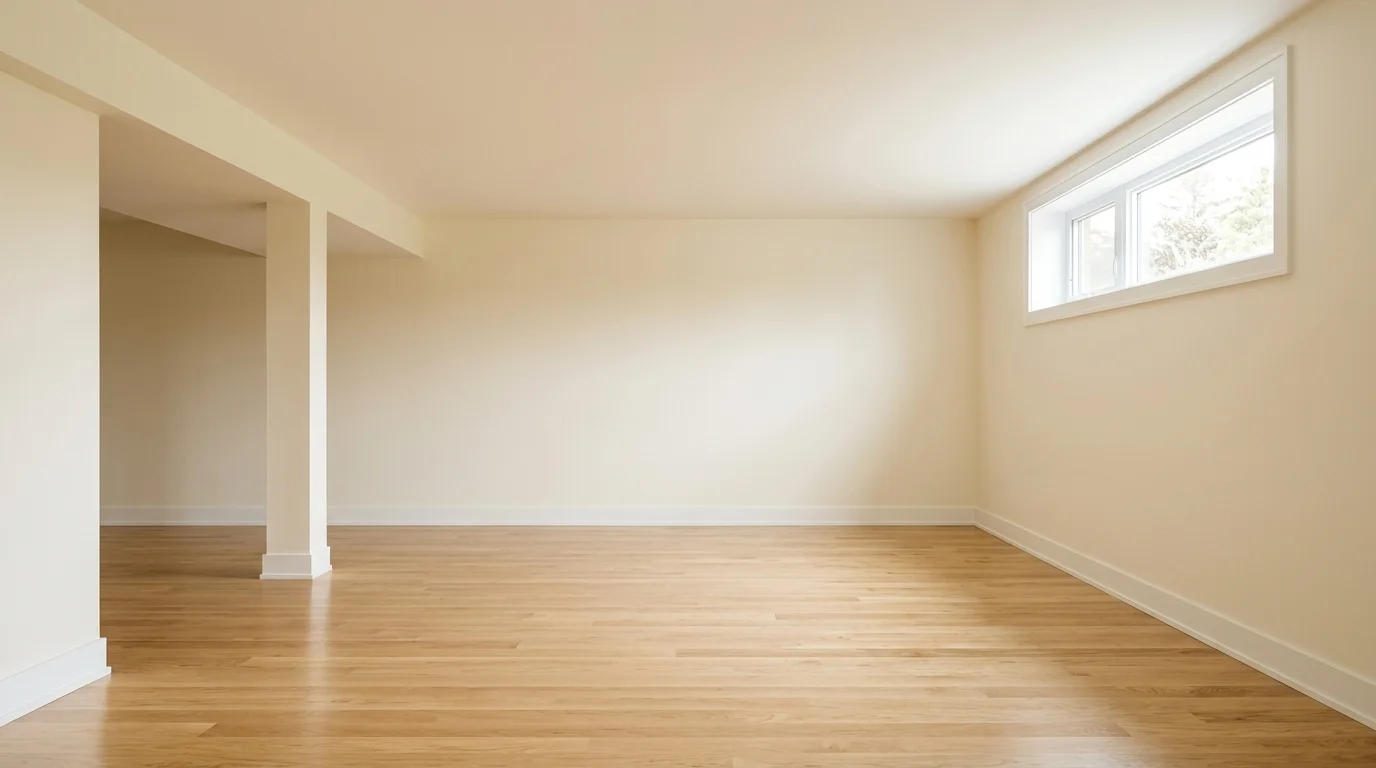
Basement Finishing
Converting an unfinished basement into a living space increases the time occupants spend in an area typically at higher risk for radon exposure. Testing is crucial to ensure this newly utilized space remains safe.
Window and Door Replacements
Upgrading to more energy-efficient windows and doors tightens the home’s envelope. While beneficial for energy bills, this reduces natural ventilation and can trap existing radon gas indoors.
HVAC System Upgrades
Installing new HVAC systems or changing ventilation patterns can alter the depressurization of your home. These changes can actively draw more radon from the soil into your living areas.
Foundation Additions or Repairs
Any work on the foundation, including fixing cracks, adding new sections, or altering drainage, disturbs the soil beneath the home. This work can open new entry points for radon gas.
When and how should I test for radon after a renovation?
Testing for radon after a renovation involves waiting until the work is fully completed, maintaining closed-house conditions, and placing the device in the lowest lived-in area. The EPA advises that accurate post-renovation checks require specific timing and placement to ensure reliable results. Following these steps helps determine if your home remains below the 4.0 pCi/L action level.
Step 1: Wait for Project Completion
Test after renovation to evaluate the completed space under the selected test conditions. The CDC also recommends testing before renovations, so testing is not appropriate only after all work is finished. Coordinate interim or post-mitigation checks with the tester rather than postponing every measurement until a long remodel ends.
Step 2: Maintain Closed-House Conditions
For a 48-hour short-term test, keep windows and outside doors closed for at least 12 hours beforehand and during testing, except for normal entry and exit. Follow the Missouri short-term instructions and the device-specific protocol. Do not shut off a radon-system fan; ask the tester about the correct operation of ventilation equipment.
Step 3: Place the Device Properly
Place the radon test device in the lowest level of your home that is used regularly, such as a newly finished basement. Ensure the device is at least 20 inches above the floor and away from drafts, high heat, or exterior walls.
Is radon safety an ongoing concern in St. Charles County?
Yes, radon safety is an ongoing concern for homeowners in St. Charles County, Missouri, extending well beyond initial testing or specific renovation events. Because radon levels can fluctuate over time due to environmental factors and structural settling, the Centers for Disease Control and Prevention (CDC) emphasizes that continuous awareness is necessary. While fixing homes at or above 4.0 pCi/L is recommended, the EPA notes that lower levels still pose some risk, making long-term monitoring a best practice for indoor air quality.
Several factors can cause radon levels to change over time: * Normal settling of the home’s foundation. * Seasonal weather changes and temperature fluctuations. * Modifications to the surrounding soil and drainage.
How often should I test for radon if I haven’t renovated?
For a home with a mitigation system, the EPA recommends retesting at least every two years. For other homes, review prior results and the CDC testing triggers, including purchase/sale, renovations and planned lower-level use. This is not an established Missouri two-year legal requirement or a guarantee of a low result.
Routine Biennial Testing
For mitigated homes, regular retesting helps check the indoor concentration over time. A two-year interval is not a substitute for investigating an operating warning or testing after relevant changes.
Changes in Living Patterns
The CDC recommends testing before a change that increases time spent on a lower level, such as a new bedroom or office. Follow the chosen test procedure; the result measures concentration rather than certifying the room as safe.
Can minor cosmetic renovations affect radon levels?
Do not treat the label “cosmetic” as proof that radon cannot change. The CDC recommends testing before and after renovations. Discuss the actual work and prior results with the tester, especially if it affects ventilation, foundation openings, lower-level use or a radon system.
Painting, flooring and cabinet work differ in scope. This article does not establish a blanket exemption from testing for those projects. Use the actual changes and applicable testing guidance to plan a measurement.
What happens if my post-renovation radon test shows high levels?
If a result is at or above 4.0 pCi/L, review the measurement and appropriate follow-up with a qualified professional. For an initial short-term result, the EPA describes confirmatory testing; the next step depends on the test method and result. If mitigation is indicated, select a property-specific design and arrange a follow-up measurement. Recommendations are not a claim of a universal Missouri legal requirement.
System Design and Installation
A standard sub-slab depressurization system works by creating a vacuum beneath the concrete foundation, drawing out the radon gas before it enters the living space.
Safe Exterior Venting
The collected radon gas is routed through a sealed PVC pipe and vented safely above the roofline, where it quickly dissipates into the outdoor air.
If you are considering a radon test or need mitigation services in St. Charles County, Air Sense Environmental is here to help. Our professionals provide reliable testing and effective solutions to protect your home. Schedule a consultation today to ensure your family’s safety and peace of mind.
Prepared with AI assistance using the linked primary sources. For property-specific advice, contact Air Sense Environmental.